

A private label can turn a dealer into a brand owner. It also turns a straightforward purchase into a project with more decisions and longer lead times. This playbook focuses on the decisions that cause the most problems when they are left vague.
OEM or ODM: choose the right starting point
With OEM, you supply the design and the factory builds it. With ODM, the factory supplies a proven platform that you adapt with branding, colour and selected specification changes. For most dealers, ODM is faster, cheaper to sample and considerably less risky. It lets you test the market before committing to a unique toolset.
Step 1 — define the market before the bike
Write a one-page brief: target rider, typical journey, price band, expected annual volume and the countries of sale. That last point matters because compliance documentation and labelling are market-specific. A brief that lacks it will produce a bike you cannot easily import.
Step 2 — choose a platform you can support
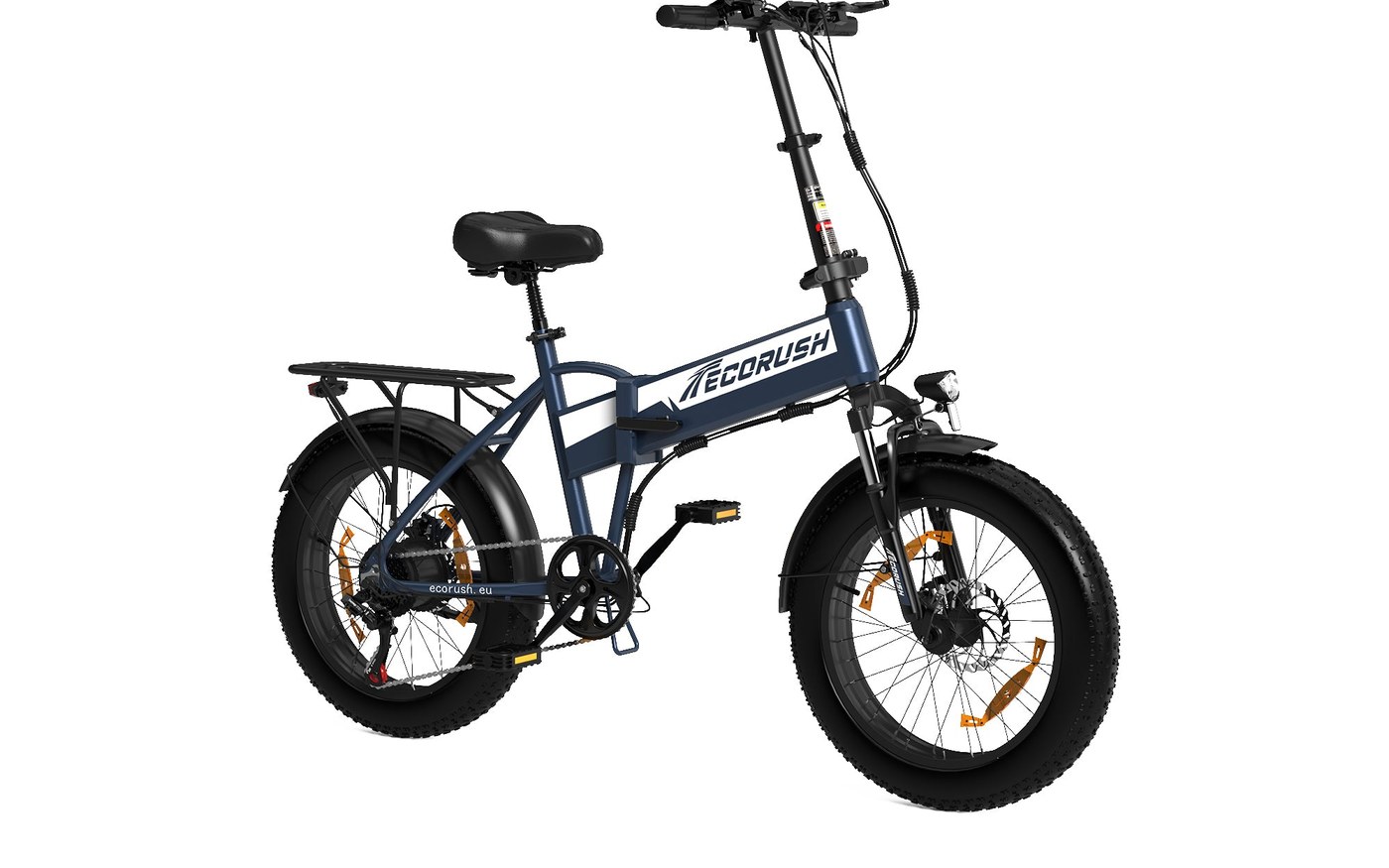
Start from a proven model rather than a blank page. ECORUSH platforms cover folding, commuter and all-terrain formats with documented 250W EN15194-compliant systems, removable batteries and established spare-parts lists. Adapting a platform keeps certification and service manageable.
Step 3 — decide what “custom” really means
- Branding: frame decals, head badge and packaging are low-risk, high-impact changes.
- Colour: agrees with minimum quantities and affects lead time.
- Components: display, saddle, grips and rack options can often be changed without redesign.
- Core electronics: changing motor or battery usually means new testing and new documentation. Do this only with a clear commercial reason.
Step 4 — sample, then test properly
Request a sample and ride it on the routes your customers use. Check fold mechanisms, charging, display readability and the fit of the rear rack. Then have a local workshop inspect it. A sample that passes a showroom inspection but fails a workshop review will generate returns later.
Step 5 — agree support before production
Put the spare-parts list, lead times, warranty scope and who pays labour into the agreement. Confirm which documents will accompany each shipment. These details are unglamorous and decisive.
The most successful private-label projects change the visible details and leave the certified core alone. Brand the bike; do not re-engineer it without a reason.
Start the conversation
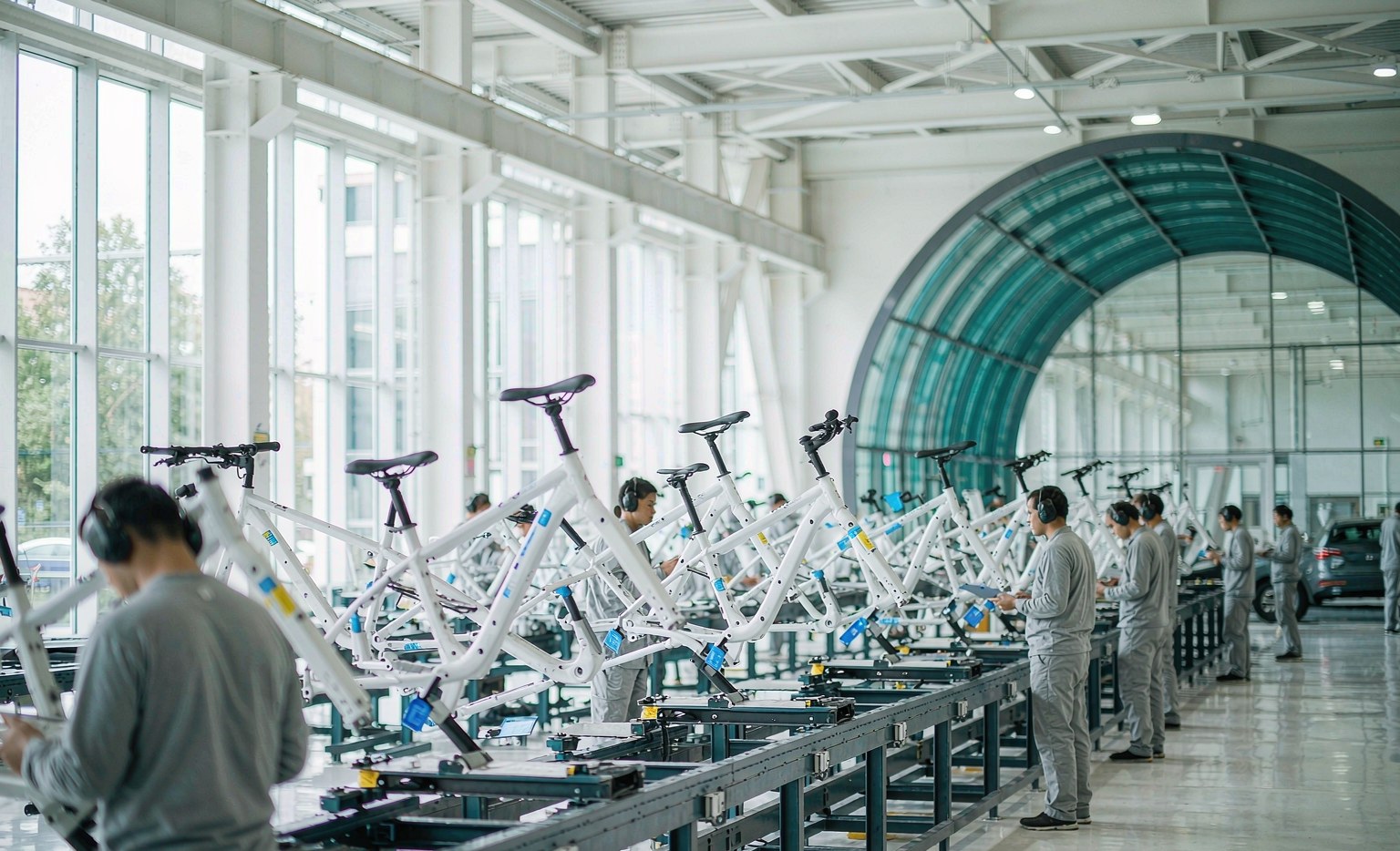
ECORUSH operates its own factory and supports OEM/ODM cooperation with documentation and after-sales training. Contact the B2B team to discuss your brief.
What a private-label order really costs
Unit price is only one line. A realistic model includes sampling, branding artwork, packaging, certification review, shipping, import duties and the cost of holding stock while it sells. Add a contingency for the first production run — the first order usually teaches you something the brief missed.
Work backwards from the retail price you want to achieve and the margin you need. If the numbers only work by removing certification or after-sales support, the project is not viable. Those are the two areas that protect the customer and the business.
Protecting the brand and the design
Agreements should state who owns the artwork, who may use the moulds or tooling, and what happens if the cooperation ends. Even with ODM platforms, where the underlying design belongs to the factory, your branding and packaging must be clearly yours. Put it in writing before samples are produced.
Also check that the factory will not supply your exact combination of branding and specification to another customer. This is a common source of conflict in private-label projects and is much easier to prevent than to resolve.
Set a communication rhythm
Most delays in OEM/ODM projects come from slow decisions, not slow production. Agree a weekly checkpoint with a named contact on each side, and keep all decisions in one document with dates. A change agreed in a phone call but never written down will surface during production, when it is expensive.
Use samples as the reference. If a detail is approved, photograph it, label it and keep it signed. The physical sample settles disagreements faster than an email thread.
Plan the documents as carefully as the bike
Your private-label model still needs the same compliance file as any other bike: declaration of conformity, test reports, manuals in the languages of the markets you serve and correct labelling. Decide before production whose name appears on the documents and who holds them. A dealer who owns the brand but cannot produce the file is exposed.
Start with a platform you can support
For a first private-label order, adapting a proven model is safer than creating a unique one. A compact folding platform with documented 250W EN15194 systems, established spare parts and known service requirements lets you build a brand without inventing a supply chain at the same time.
Once volumes justify it, deeper customisation becomes sensible. Until then, the fastest route to market is a reliable platform with your name on it — not a new bike with unknown costs.
Looking for a reliable e-bike partner?
Explore our CE/EN15194 certified lineup and factory-direct B2B pricing.