

Cycle-lane construction is not evenly distributed, and that is useful information. Where a protected route is planned, demand for practical bicycles usually follows within one or two seasons. Dealers who read those signals early can stock appropriately instead of reacting to a rush.
What is actually being built
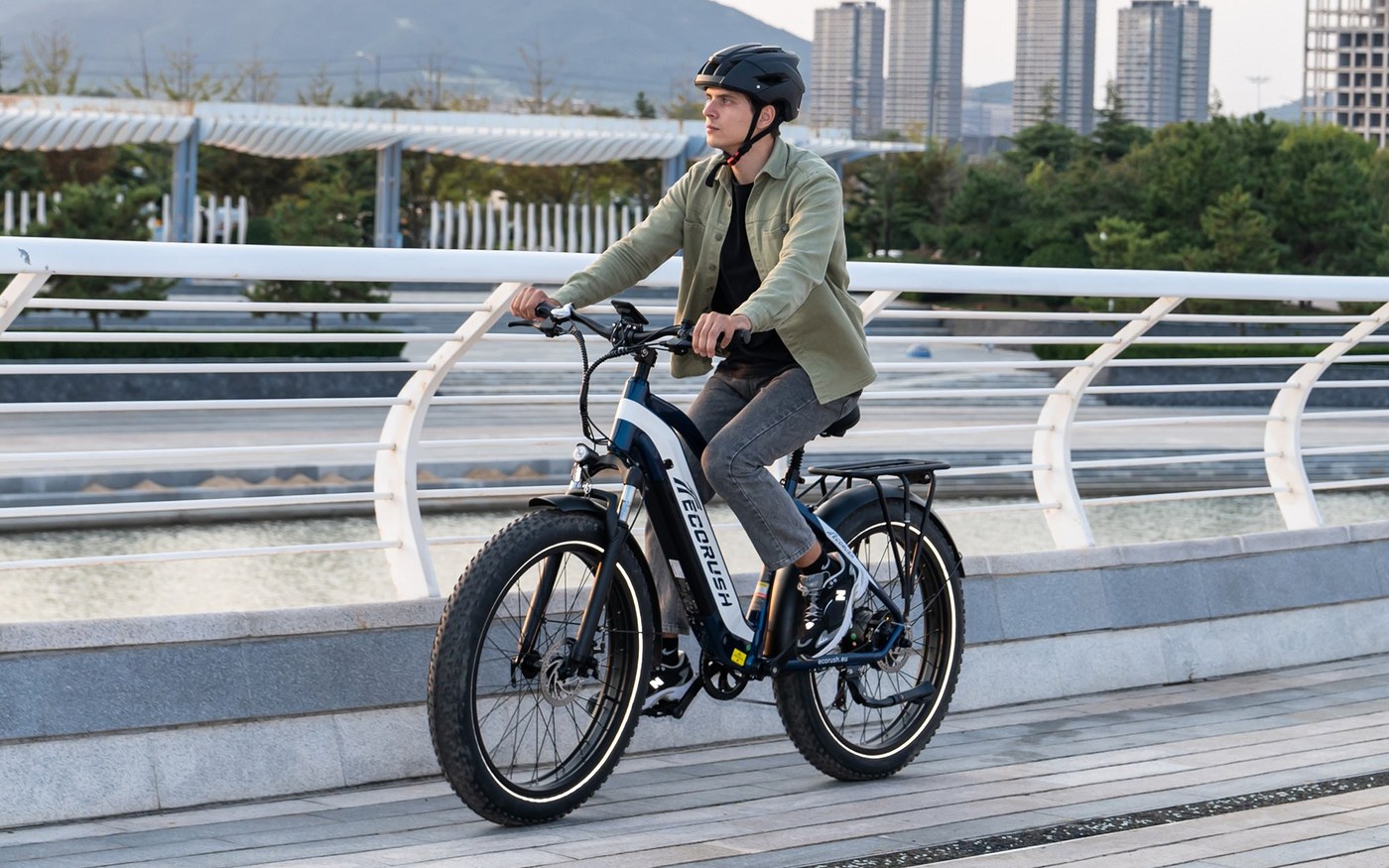
Across European cities, the investment is in separated lanes, safer junctions, traffic calming and connected routes rather than isolated segments. The change matters because it brings cycling within reach of people who previously considered it unsafe — a much larger group than existing enthusiasts.
Regional signals worth watching
- Netherlands and Denmark: mature networks mean replacement demand, cargo bikes and comfort features. First-time conversions are fewer, but upgrades are frequent.
- France, Italy and Spain: expanding networks in major cities are creating new commuter segments. Clear explanation and local after-sales support matter more than technical nuance.
- Central and eastern Europe: infrastructure is growing from a lower base. Entry models and honest range education are the fastest route to trust.
Translate a lane into a customer profile
A new protected route changes the questions customers ask. They stop asking about top speed and start asking about racks, lights, fenders and where the bike can be stored. In dense historic centres, folding models such as the ER10S and ECO R2 answer the storage question; along longer radial routes, the 748.8Wh R6 makes more sense.
Where to put the shop and the stock
Proximity to a connected route matters more than proximity to a busy road. A store on a cycle corridor sees demonstration riders; a store behind a car park does not. Match stock to the route: entry and folding models near apartments, commuter models near employment districts, and long-range models where crossing town is common.
The policy tailwind — with a caveat
Purchase incentives and employer schemes can accelerate demand, but they change by country and by year. Dealers should check current local rules before quoting a final price. Getting this wrong at the counter costs more than the incentive is worth.
Infrastructure creates the riders. The dealer who has the right bike, in the right place, with the right explanation, captures them.
Plan with us
ECORUSH supplies entry, folding, commuter and long-range platforms for European markets. Talk to the B2B team about regional range planning.
How to read a city’s cycling plan
Municipal documents are dense, but three terms are worth searching for: “separated”, “connected” and “junction”. A separated lane protects riders from traffic. A connected network means the lane leads somewhere useful. Junction upgrades remove the dangerous gaps where most incidents occur. A plan that includes all three will change behaviour; a plan with only painted markings will not.
Translate the plan into a map of your catchment area. Mark the routes that will be complete within two years and note the neighbourhoods they pass through. Those neighbourhoods are your future customers, and the shops closest to them will see demand first.
Country-by-country cues
In mature cycling countries, demand tends to be specific: cargo capacity, comfort, integrated lights and low-maintenance drivetrains. In growing markets, the first question is often whether the bike can replace a car for daily trips — which means range, reliability and service availability matter more than refinement.
Dealers operating near a border should not assume the two sides behave alike. A city with a strong cycling culture next to one without it will produce very different enquiry patterns within twenty kilometres.
Timing the stock to the construction
Infrastructure often opens before awareness peaks. When a new route is announced, expect curiosity; when it opens, expect a wave of first-time riders; a season later, expect upgrades as people discover what they actually need. Plan stock across those three moments rather than buying everything at once.
Entry and folding models suit the curiosity stage. Complete commuter specifications suit the opening stage. Longer-range and step-through models suit the upgrade stage. Having all three tiers available prevents the shop from missing any part of the cycle.
Work with local employers
Employers near a new cycle route often support staff commuting schemes. Offer a short presentation on commuter e-bikes, bring a demonstrator to the workplace and explain the paperwork. One well-run session can produce several serious enquiries, and the employer may fund part of the purchase.
For riders covering longer distances across town, the 748Wh long-range commuter removes the need for workplace charging — a practical detail that frequently decides the purchase.
Measure the change in your own data
Track the proportion of enquiries that mention a specific route or district. If that number rises, the infrastructure is working and the shop should respond with stock and staffing. Local data beats national market reports because it describes the customers who can actually walk through your door.
Working with local authorities
Councils and transport agencies often consult local businesses when cycling plans are drafted. A dealer who contributes practical observations — where people actually want to park, which junctions are feared, what questions customers ask — becomes a useful partner rather than an observer.
That relationship can lead to demonstration events, workplace schemes and early information about route changes. All of it helps the shop plan stock with more confidence than a national trend report ever could.
Looking for a reliable e-bike partner?
Explore our CE/EN15194 certified lineup and factory-direct B2B pricing.