

European e-bike retail has moved past the early-adopter phase. What sells now is not novelty but proof: certified products, predictable range and a supplier who can still deliver parts three years later. For dealers planning their 2026 range, five shifts are worth acting on rather than merely watching.
1. Compliance is now a filter, not a feature
EN15194 is the baseline for electrically power-assisted cycles in Europe: 250W continuous rated power, assistance that cuts out at 25 km/h, and pedal-assist only. Buyers who cannot produce CE documentation and test reports will increasingly be filtered out at import and by knowledgeable customers.
What to do: request the full compliance file before you place an order, not after. Check that the certificate references the exact model and motor configuration you are buying. ECORUSH supplies CE / EN15194 documentation with every model in the range (UKCA for the UK market only).
2. Fat tires have moved into the mainstream
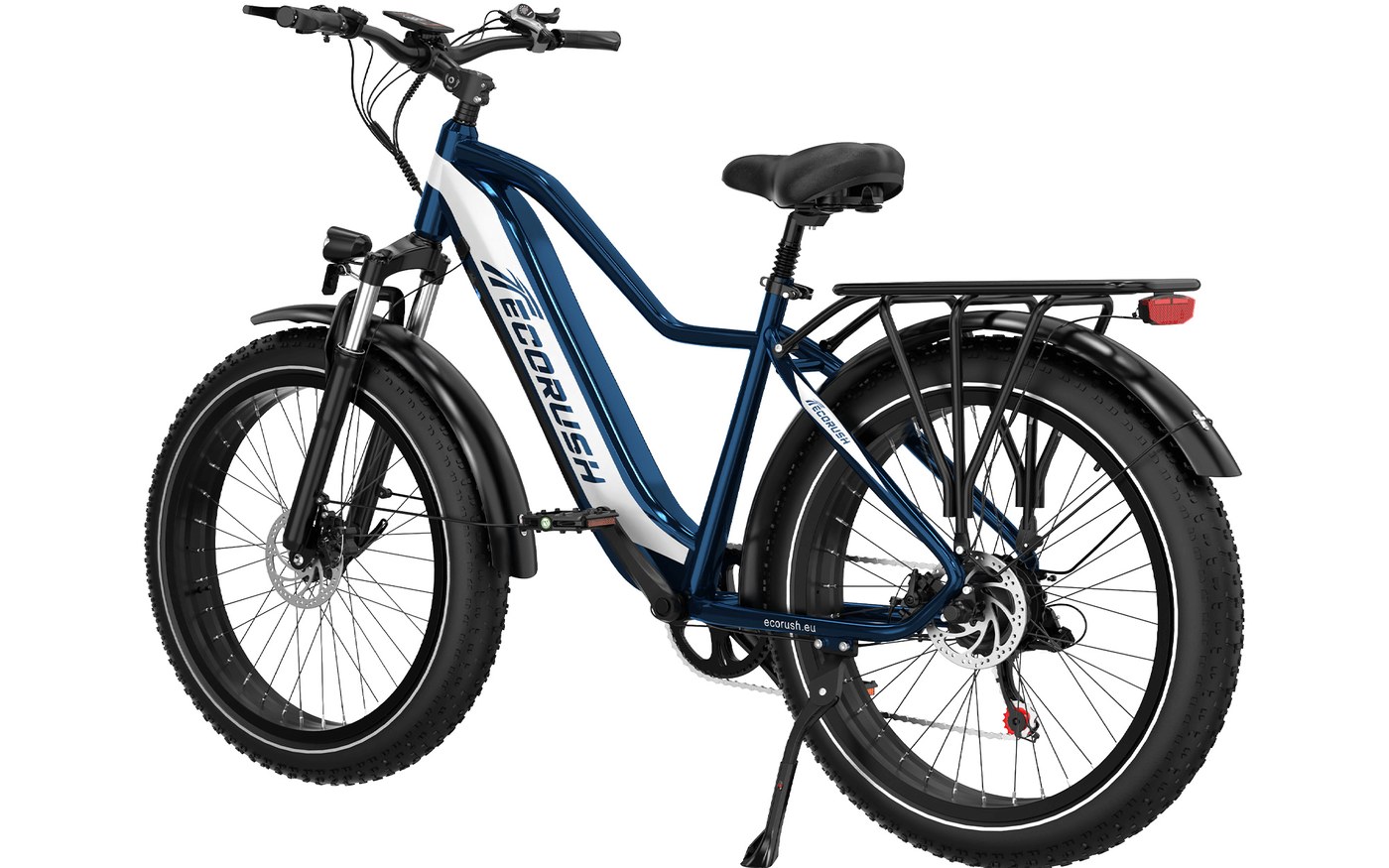
The 20×4.0 and 26×4.0 formats are no longer niche off-road choices. Riders value them for stability on wet tram tracks, cobbles, gravel and winter grit — all everyday European conditions. That makes fat-tire models easier to demonstrate in a showroom than a high-end road bike.
What to do: keep at least one fat-tire model in stock at each price tier. The ER10S covers entry level, the R2 and R6 serve commuters, and the R1 / R3 cover all-terrain use.
3. Range has become a specification customers compare
Battery capacity is now quoted in watt-hours at the point of sale, and riders understand the difference. A 499Wh pack suits daily urban distances; 624Wh and 748.8Wh packs open up longer commutes and leisure touring.
What to do: train staff to explain range in terms of the customer’s actual journey rather than a single headline number. Terrain, assist level and temperature all move the result.
4. Folding and low-step frames are growing faster than expected
Limited apartment storage and multimodal commuting are driving demand for folding frames, while low-step frames remain popular with older riders and anyone carrying cargo. These are practical purchases, often made by people who would not describe themselves as cyclists.
5. Dealers are choosing partners, not just suppliers
Flexible MOQs, spare-parts availability, technical training and OEM/ODM options now influence purchasing decisions as much as unit price. A cheaper bike with no parts support is an expensive problem.
The 2026 opportunity is not about selling more types of bike. It is about selling the right, well-documented bike to a clearly defined rider — and being able to support it afterwards.
Where to start
Audit your current range against these five points. If compliance files, parts support or range explanation are weak, fix those before adding new SKUs. To review the ECORUSH lineup and dealer terms, contact the B2B team.
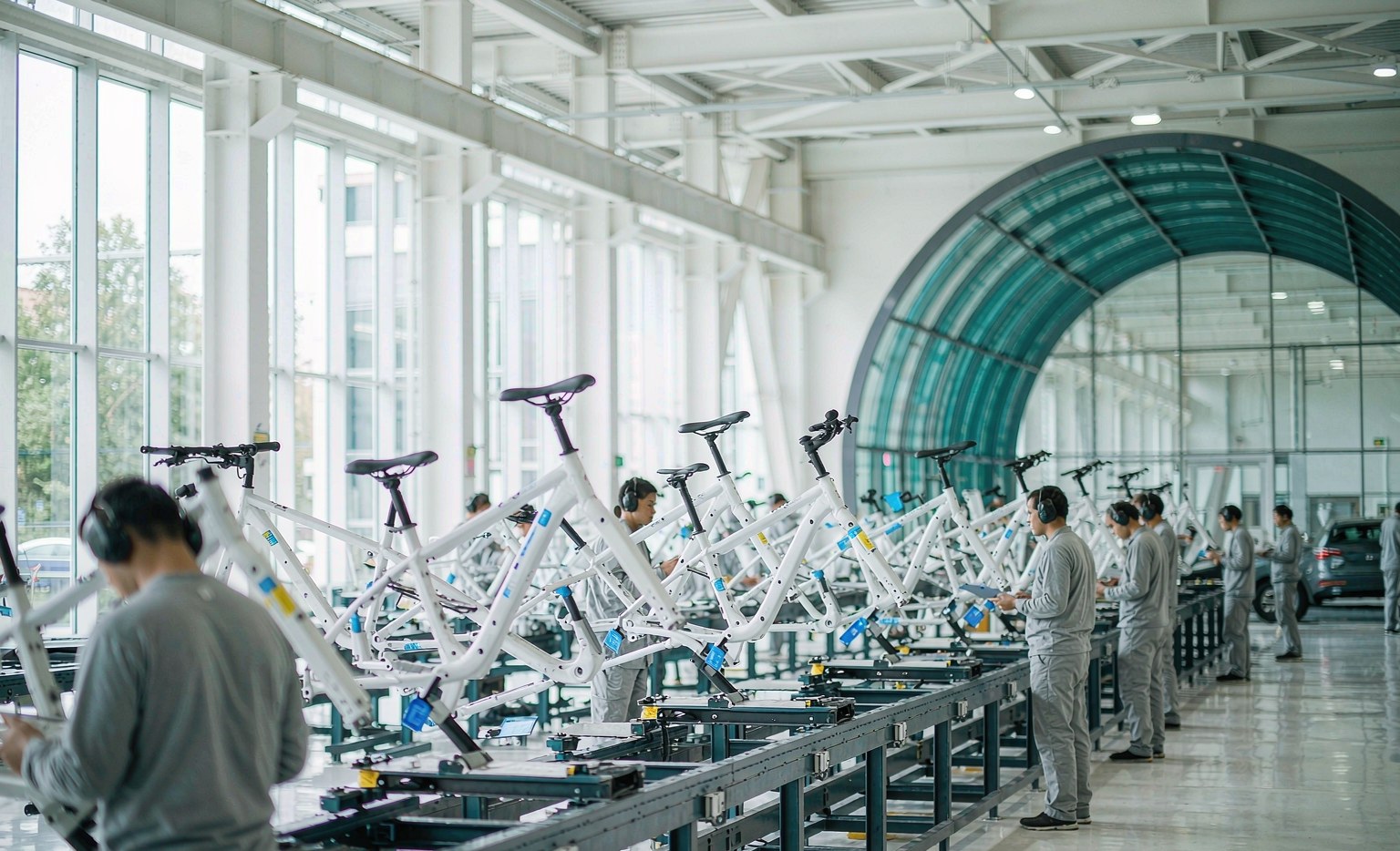
What to check before the order leaves the factory
A compliance file is only useful if it matches the physical bike. Dealers should open the folder and check four things line by line: the model name, the motor part number, the battery specification and the date of issue. A certificate that refers to a similar model with a different controller is not evidence for the bike you are importing.
Ask also for the declaration of conformity in the language required by your market, and confirm that the user manual describes a 25 km/h pedal-assist cut-off rather than a throttle mode. These details sound administrative, but they are exactly what an inspector or an insurer will ask for if something goes wrong.
How to price a five-model range without cannibalising it
Dealers often worry that an entry model will steal sales from the core range. In practice, the risk is smaller than the benefit of getting a new customer into the store. Keep clear gaps between tiers: an entry bike should be noticeably easier to buy, a core model should offer a visible upgrade in battery or comfort, and a flagship should sell capability rather than status.
Use the specification to justify the gap. A rider comparing an entry-level folding fat-tire e-bike with a 499Wh folding commuter can understand the price difference once range, suspension and rack are explained side by side. Without that explanation, they see only two similar-looking bikes.
Three questions worth asking at a trade show
- Which components do you stock as spares, and how quickly can they reach Europe?
- Can you provide test reports for this exact model, not just the motor?
- What is your process when a dealer has a warranty claim — who pays the labour?
The answers reveal mo