

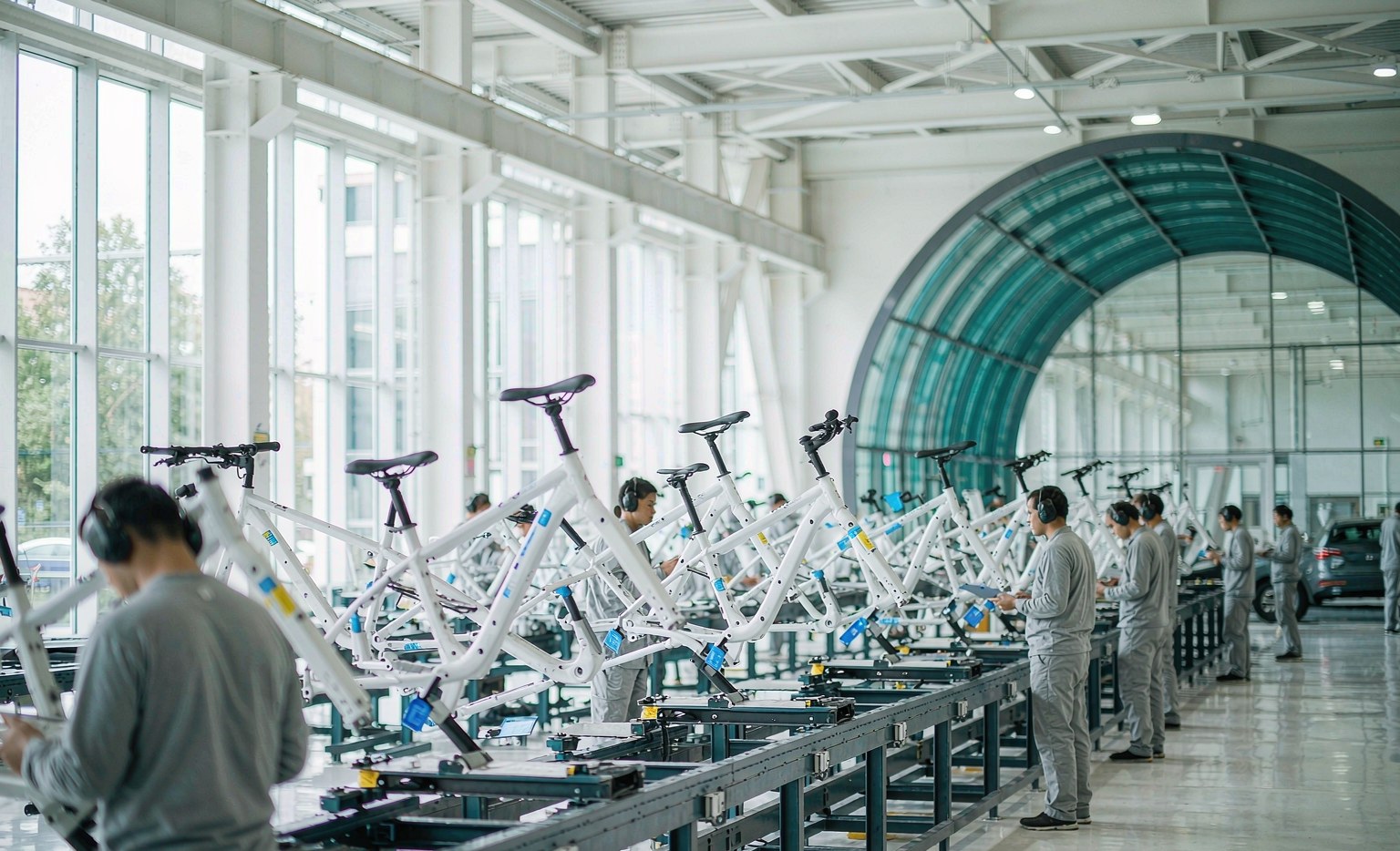
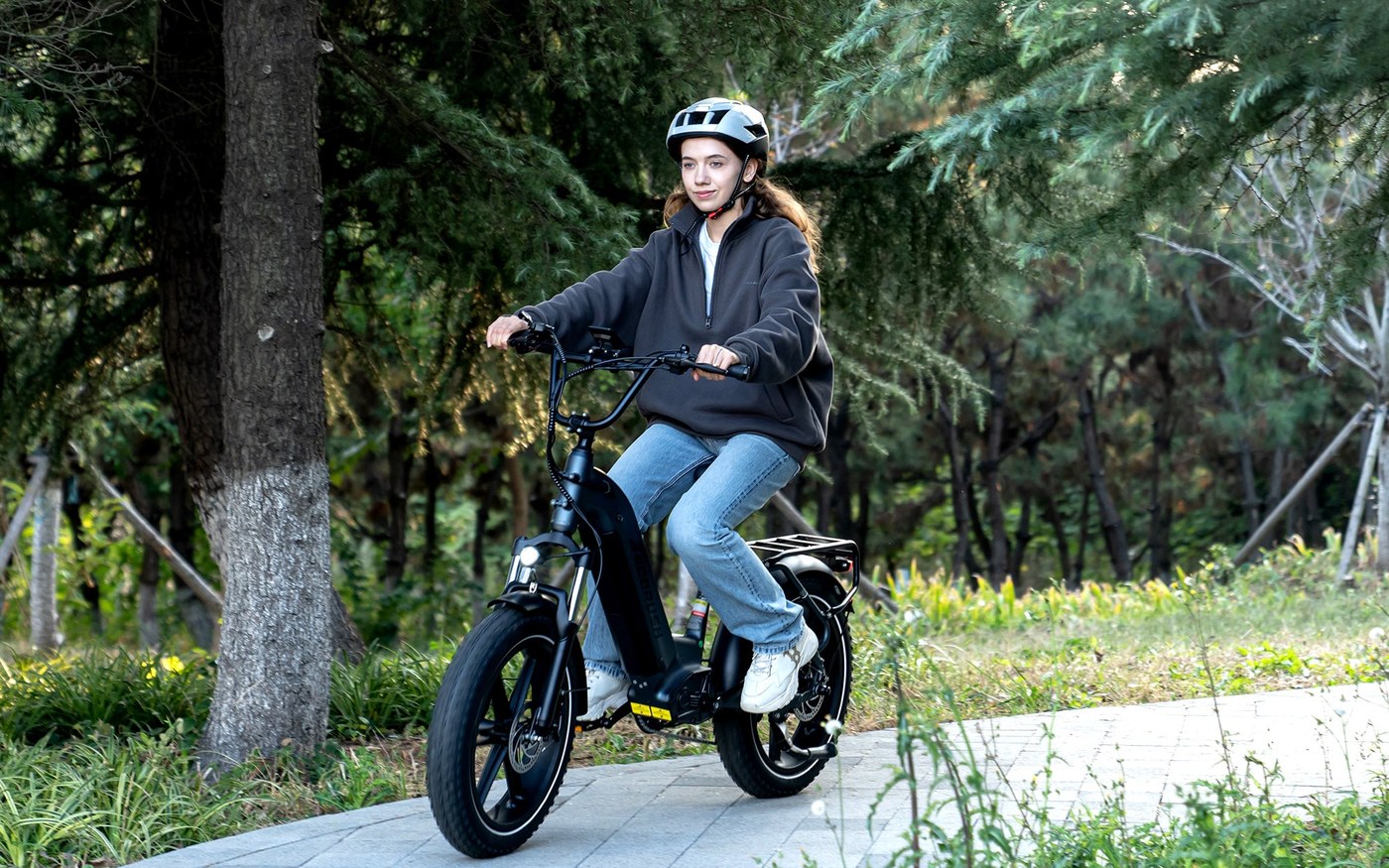
EN15194 is often treated as a line on a specification sheet. In practice it is a set of requirements that determines whether a bike can be imported, sold and ridden legally in Europe. This checklist turns the standard into questions you can actually ask a supplier.
The three technical limits
- Continuous rated power: the motor must not exceed 250W.
- Assist cut-off: pedal assistance must stop at 25 km/h. Above that speed the rider is on their own.
- Pedal assistance: the motor may only assist while the rider is pedalling. Throttle-only operation does not satisfy the standard.
These limits are the difference between an EPAC (electrically power-assisted cycle) treated like a bicycle and a vehicle that falls into a different regulatory class. For a dealer, that distinction affects where the customer can legally ride.
The documents to request before ordering
- Declaration of conformity referencing the exact model and motor configuration.
- Test reports covering mechanical safety, electrical safety and electromagnetic compatibility.
- Manual and labelling that match the language requirements of your market.
- UKCA documentation separately if you are selling in the United Kingdom.
A supplier who cannot produce these documents quickly is telling you something about their production controls. Ask before payment, not at the border.
Where non-compliance becomes expensive
Problems rarely appear at the point of sale. They surface at customs, during a market surveillance inspection, or after an accident when insurance questions arise. In each case the cost falls on the importer and dealer — not on the factory that failed to provide proper documentation.
The ECORUSH position
Every ECORUSH model — ER10S, R1, R2, R3 and R6 — is engineered to EN15194 with 250W motors and 25 km/h pedal-assist cut-off. CE (EN15194) documentation and test reports are available; UKCA files for the UK market on request to dealer partners as part of the onboarding package.
A final check for sales staff
Make sure your team never describes an ECORUSH bike as a “moped” or implies it can travel at 25 km/h under motor power alone. Accurate language protects the customer and protects your business.
Compliance is not a marketing claim. It is a file of documents you can produce on request — for a customer, an inspector or an insurer.
Request the compliance file
Contact the ECORUSH B2B team to receive the documentation package for a specific model and market.
What a complete compliance file looks like
Ask for a folder, not a single certificate. It should contain the declaration of conformity, the test reports covering mechanical and electrical safety plus electromagnetic compatibility, the user manual in the languages required for your market, and the technical specification that matches the bike in the container. Label each file with the model name and the date it was issued.
Keep the folder somewhere accessible to the person who handles customs paperwork. A compliance file that exists only in a supplier’s email inbox is of little practical use when a shipment is held.
UKCA is a separate conversation
Brexit did not remove the need for documentation in the United Kingdom; it changed which mark applies. If you sell into the UK, request UKCA documentation explicitly rather than assuming a CE file transfers. Check whether the declaration covers the model, the motor and the battery configuration you are importing.
Sellers operating in both the EU and the UK should keep two files side by side. Mixing them creates confusion at the border and, more importantly, in the event of an insurance claim.
Labelling and manuals are part of the product
Inspection is not only about the bike. The labelling on the frame, the information in the manual and the wording on the packaging all form part of compliance. A bike sold in Germany with a manual that only describes a throttle system is a problem even if the motor itself is perfectly legal.
Check before accepting a shipment that the manual describes pedal assistance, the 25 km/h cut-off and the correct battery charger. If the text is wrong, ask for corrected material before the bikes reach the shop floor.
How to talk about compliance with customers
Most riders will never ask for a test report, but they respond to confidence. Train staff to say: “This is a 250W pedal-assist bicycle built to EN15194, with assistance stopping at 25 km/h.” That sentence answers the legal question, sets the correct expectation and avoids the dangerous shorthand of calling the bike a moped.
If a customer wants more detail, show them the declaration. A dealer who can produce documents immediately is a dealer who knows the product.
Keep records after the sale
Retain the compliance file and the purchase records for as long as you sell the model and for a reasonable period afterwards. Market surveillance can ask questions years after a product launch, and the ability to produce the original documentation protects the business. Store digital copies with a clear naming convention: model, motor, battery, year.
Where to start with the ECORUSH range
To receive the documentation package for a specific model, contact the B2B team with the model name and the country of sale. The file for an all-terrain e-bike with a 624Wh battery differs in detail from that of a folding commuter, and the right paperwork should match the exact specification ordered.
Looking for a reliable e-bike partner?
Explore our CE/EN15194 certified lineup and factory-direct B2B pricing.