

Ask a rider which motor they want and you will often get an answer copied from a forum. Ask a dealer and the question should be different: which system can I explain, demonstrate and service profitably?
How the two systems differ
A hub motor sits in the wheel and drives it directly. It is compact, mechanically simple and places little extra load on the chain and cassette. A mid-drive motor sits at the bottom bracket and drives through the drivetrain, which gives better weight distribution and strong climbing using the bike’s gears.
Read torque before wattage
In Europe, continuous rated power is capped at 250W for EN15194 compliance. That means wattage tells you very little about how a bike feels. Torque, measured in newton-metres, is the figure that explains acceleration and hill climbing.
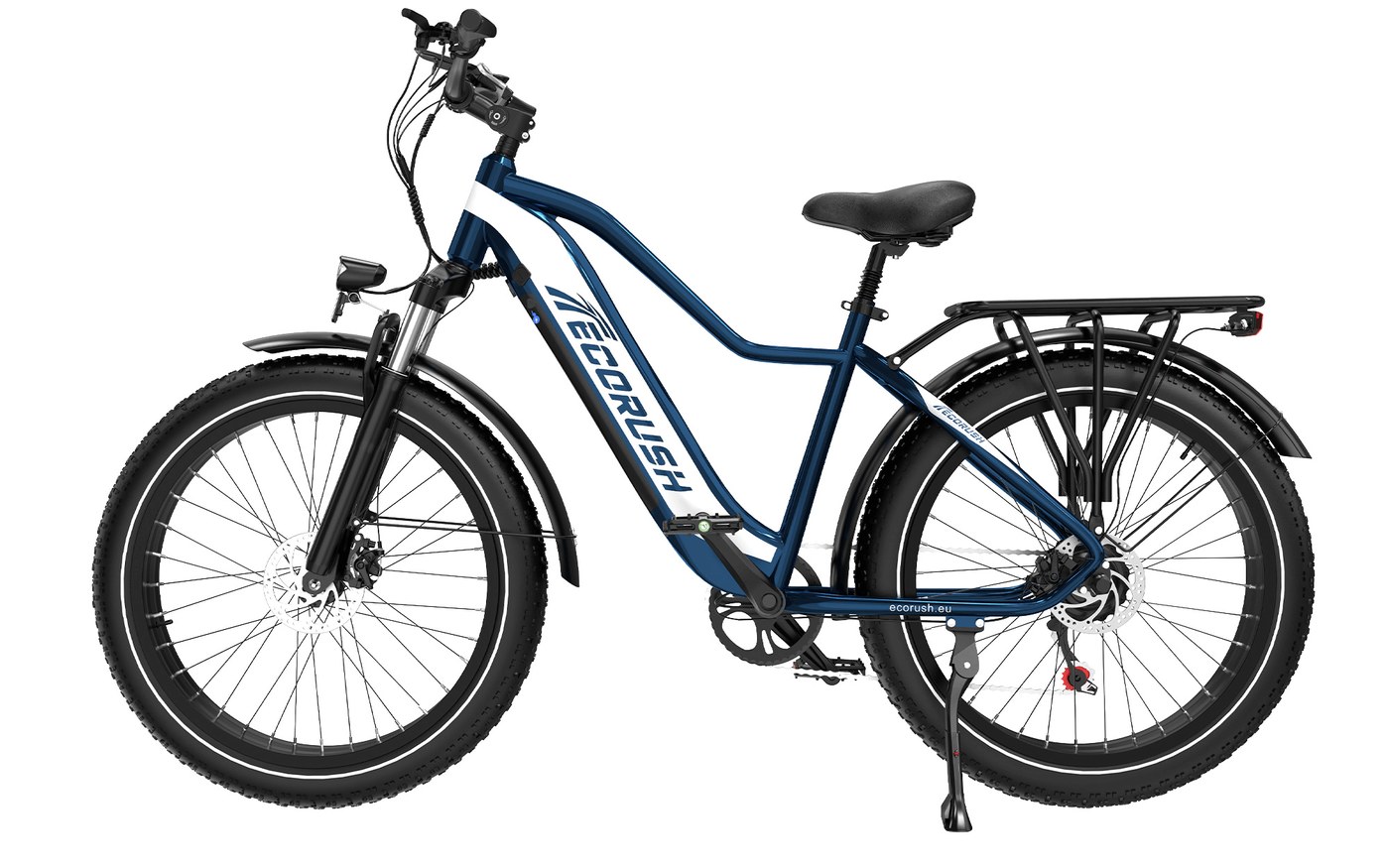
The ECO R1 and R3 use a 250W rear hub motor delivering 58Nm, rated for climbs up to 25 degrees. That is a specific, defensible number a salesperson can use — far more useful than “powerful motor”.
Match the system to the terrain you sell into
- Flat or rolling cities: a hub motor is efficient, quiet and easy to maintain. It suits commuters who want predictable assistance rather than sport performance.
- Steep, hilly regions: higher torque matters more than motor position. A 58Nm hub motor such as the R3’s handles gradients that would leave a low-torque system struggling.
- Loaded bikes and cargo use: mid-drive systems use the gears to multiply torque, which helps when carrying weight — at the cost of more drivetrain wear.
Think about the workshop, not just the showroom
A hub motor leaves the chain, cassette and chainring relatively unloaded, so routine wear is closer to a conventional bicycle. That reduces service visits and keeps customers riding. Mid-drive bikes ask more of the drivetrain and require a workshop that understands the system.
The compliance question
Whatever architecture you choose, verify that the motor is certified to EN15194, that assistance cuts out at 25 km/h and that it only engages while pedalling. Ask for the test documentation by model number.
Sell the system your market can maintain. A slightly simpler motor with strong local support will outperform a sophisticated one nobody can service.
Discuss specification with us
ECORUSH offers multiple hub-motor configurations across the ER10S, R1, R2, R3 and R6. Contact the B2B team for torque curves and technical data.
Reading a torque curve without an engineering degree
A torque figure tells you the peak, but not when it arrives. A motor that delivers 58Nm at low cadence will feel strong from a standstill and on steep climbs, while one that reaches its peak only at high speed may feel weak in town. Ask the supplier for a torque curve or, better, ride the same hill on two bikes back to back.
For dealers, this is a useful demonstration tool. A short incline outside the shop tells a customer more about motor character than a page of numbers. Prepare the route, charge both bikes and let the rider feel the difference.
Heat is the enemy of sustained performance
European summers and loaded touring put motors under prolonged stress. A rider climbing for twenty minutes in warm weather may see power reduced as the system protects itself. This is normal behaviour, but it should be explained before the customer experiences it. Tell them to change to a lower assist level and a lower gear on long climbs — the bike will keep moving and the motor will stay cooler.
The same advice applies to cargo use. A bike carrying a child or shopping daily is working harder than a weekend bike, even on flat roads. Choosing a system with healthy torque reserves reduces the strain.
What to check at every service
- Firmware version and any manufacturer updates that apply to the controller.
- Sensor alignment — a misaligned cadence sensor causes jerky assistance.
- Connector seating and signs of moisture around the motor housing.
- Brake pad wear, because a heavier e-bike puts more load on the brakes.
A service checklist built around these points turns an abstract motor into a maintainable system. Customers appreciate knowing that the shop understands it.
Match the motor to the model, not the other way round
There is no single best motor for every bike. A folding urban model prioritises smoothness and low maintenance; an all-terrain model needs torque and heat tolerance. The all-terrain fat-tire e-bike and its high-torque sibling show how the same 250W compliance ceiling can produce different characters depending on gearing, tires and controller tuning.
When a customer asks which motor is best, answer with a question about their route. The right answer follows from the terrain.
Rider weight and cargo change the answer
Torque figures are usually quoted for a standard rider on a flat route. A heavier rider, a loaded rear rack or a child seat increases the demand on the motor and brakes. If your customer falls into one of these groups, recommend a model with torque in reserve rather than one that only just meets the minimum.
It is also worth checking brake size and tire rating on these bikes. A motor that climbs well is only useful if the bike can stop and carry the load safely on the descent.
Looking for a reliable e-bike partner?
Explore our CE/EN15194 certified lineup and factory-direct B2B pricing.