


Battery questions generate more dealer calls than any other technical topic. Most of them come from three habits: deep discharge, incorrect chargers and poor storage. Getting the advice right at handover prevents the problem and protects the margin on every sale.
Explain the 20-80 habit
Lithium packs last longer when they are not routinely drained to zero or held at full charge for weeks. Tell customers that keeping the battery roughly between 20% and 80% for everyday use is enough to make a noticeable difference over several years. For a rider preparing for a long weekend, a full charge is fine — the point is not to make every day an extreme case.
Chargers are not interchangeable
Always supply and recommend the original or a certified charger. An incompatible unit can charge unevenly, overheat, or confuse the battery management system (BMS). Dealers should treat charger substitution as a technical issue, not a customer preference — it is one of the most common causes of avoidable service visits.
Storage: 50% and a cool, dry room
For winter storage or a bike that will sit unused for more than a month, charge to around 50% and keep the battery indoors in a dry place. Extremes of heat and cold accelerate ageing. A battery left empty in a cold shed is a reliable source of spring warranty claims.
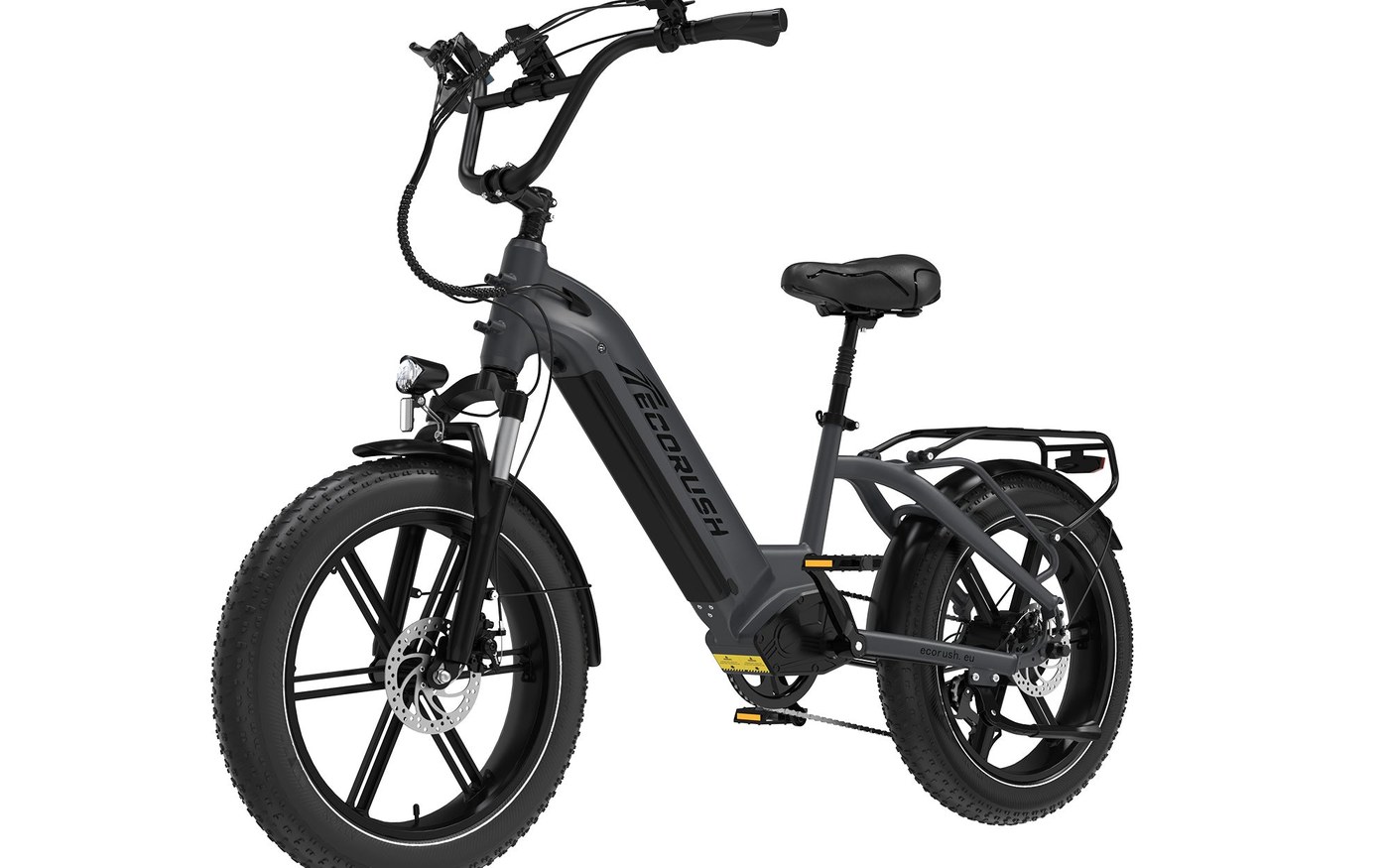
The R1, R2, R3 and R6 all use removable batteries, which makes this advice practical: the frame can stay in a locked storage area while the battery comes inside.
Keep the habit alive with periodic use
Even in the off-season, charge and discharge the battery every few weeks. Ask customers to check the casing and connectors at the same time for damage or corrosion. This is a simple message that turns into a useful service visit.
Lithium batteries must not be discarded with household waste. Direct customers to an approved recycling point and, where required by local rules, explain the producer take-back arrangement. This protects the dealer as well as the environment.
What to put on the handover card
- Charge with the supplied or certified charger only.
- Avoid regular full discharge; 20-80% for daily use.
- Store at around 50% in a cool, dry place.
- Check casing and connectors periodically.
- Recycle through an approved channel.
A battery guide is not an appendix to the sale. It is the cheapest warranty prevention a dealer can hand a customer.
Technical documentation from ECORUSH
ECORUSH provides battery specifications, charging guidance and spare-parts support to dealer partners. Contact the B2B team for the full technical file.
What is inside a traction battery pack
An e-bike battery is a group of lithium cells managed by a battery management system (BMS). The BMS balances the cells, prevents over-discharge and cuts power if temperature or current moves outside safe limits. Understanding this makes the practical advice easier to explain: extreme charging habits stress the cells, while heat and deep discharge stress the whole system.
When a customer asks why a cheaper replacement pack is risky, the answer is the BMS. A pack without a properly matched management system may fit the bike but communicate poorly with the controller, producing unexpected cut-outs or charging faults.
Cold weather changes the numbers
Lithium batteries deliver less usable capacity in low temperatures. A rider who gets 100 km in September may see noticeably less in January, even with the same route and assist level. This is normal, temporary behaviour — the capacity returns as the weather warms.
Explain it before winter arrives and recommend practical responses: store and charge the battery indoors, allow it to warm before a long ride, and plan shorter routes or more charging opportunities during cold spells. A customer who expects the drop is far less likely to blame the bike.
Charging infrastructure for dealers
Workshops should have a designated charging area with a clear rule: only original or certified chargers, no unsupervised charging of damaged packs, and a log when a battery is left for diagnosis. A simple labelled shelf prevents the most common service-area mistake — a customer’s battery disappearing into a general pile.
Keep a small stock of chargers for the models you sell. A lost or damaged charger is one of the easiest service issues to resolve, and it is also one of the easiest sales to make when the customer needs a replacement immediately.
Documents customers should keep
Give every buyer a short card with the battery specification, the approved charger model, the storage recommendation and the recycling contact. Photograph the serial number at handover and keep it with the service record. This helps warranty claims and makes it easier to identify a battery if the bike is stolen.
Battery care as a service campaign
Invite owners to an annual battery check: connector inspection, casing condition, charging behaviour and a short capacity test where equipment allows. The visit takes little time, but it creates a natural moment to discuss a second battery, a winter setup or an upgrade.
Owners of higher-capacity models such as the 748Wh long-range e-bike benefit most from this routine, because the battery is the most expensive single component and the one most affected by habits. Looking after it is the cheapest way to protect the customer’s investment and the dealer’s reputation.
Looking for a reliable e-bike partner?
Explore our CE/EN15194 certified lineup and factory-direct B2B pricing.