

Frame-material discussions often stop at weight. For a dealer, that is the least useful place to start. The frame choice affects warranty exposure, repair turnaround, stock risk and what you can honestly promise a customer.
Five criteria that belong in the comparison
| Criterion | Aluminium | Carbon |
|---|---|---|
| Weight | Moderate; acceptable for commuter and cargo use | Roughly 30% lighter, a real advantage on carry-heavy bikes |
| Fatigue testing | Well-established test protocols; predictable service life | Depends heavily on layup quality and design |
| Damage and repair | Dents and bends are usually inspectable; straightening or part replacement is straightforward | Impact damage can be internal; inspection and repair need specialists |
| Cost | Suits volume retail and fleet purchases | Premium pricing, smaller addressable market |
| After-sales risk | Low; local workshops can usually handle it | Higher; fewer workshops will touch a damaged carbon frame |
Why aluminium dominates the B2B market
An e-bike frame carries a battery, a motor and a rider who may be carrying a child or a week of shopping. Stiffness, fatigue resistance and predictable inspection matter more than saving a few hundred grams. Aluminium delivers that combination at a price that works for volume retail.
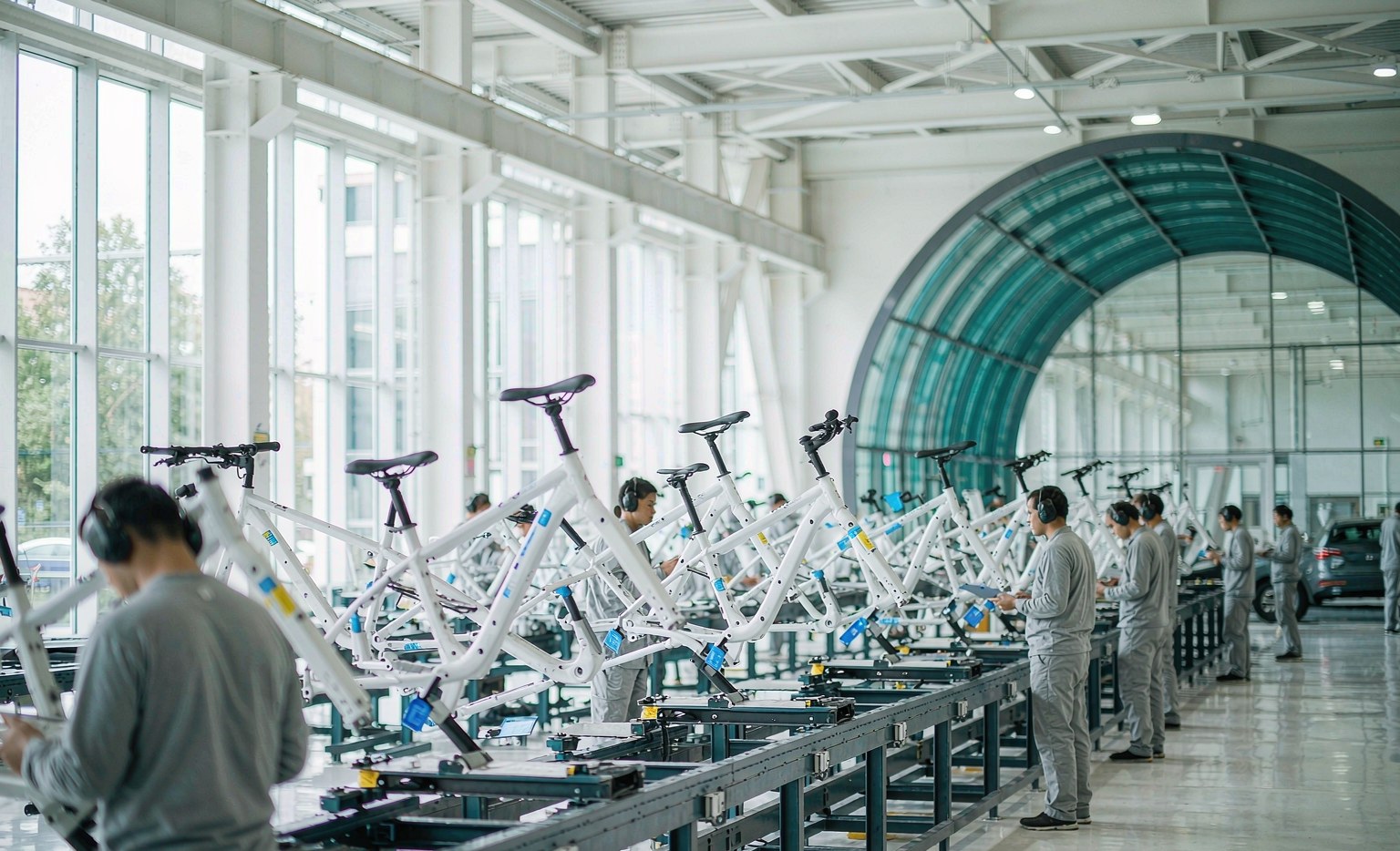
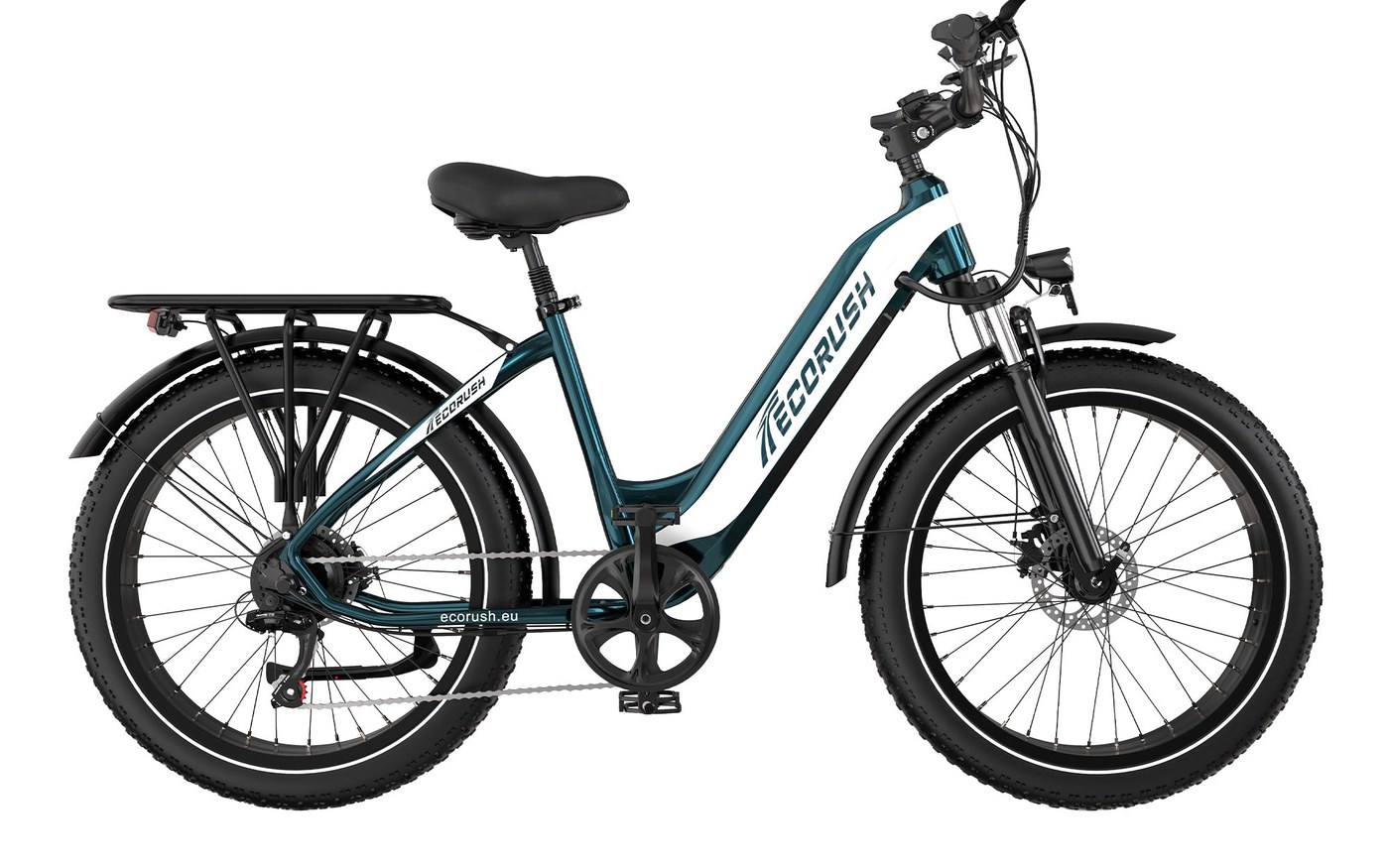
All ECORUSH frames are aluminium and go through fatigue and strength testing before release. For a dealer, that translates into a product that a local workshop can inspect and repair without specialist equipment — a genuine advantage when a customer needs the bike back quickly.
When carbon is the right answer
Carbon makes sense in a narrow premium segment: riders who count grams, have access to a specialist workshop and accept a higher price for it. If your store already serves that customer, one carbon model can work as a halo product. If not, the stock and service risk rarely justifies it.
A question worth asking every supplier
Ask for the fatigue-test report for the exact frame, not a generic material specification. A supplier who can produce it has controlled the design and the production process. A supplier who cannot is asking you to carry the risk.
For volume retail, aluminium is not a compromise. It is the material that lets you sell, service and warranty a bike with confidence.
Next step
If you want to review frame construction and test documentation for the ECORUSH range, request the technical file from our B2B team.
What a fatigue test actually measures
Fatigue testing does not simply ask whether a frame breaks. It applies repeated loads that resemble years of riding — braking forces, pedalling torque, vertical impacts and cornering loads — and checks whether cracks appear or the frame changes behaviour. A report that names the standard, the number of cycles and the pass criteria is worth far more than a brochure claim of “high strength”.
For a dealer this matters commercially. A frame that passes a documented test is easier to warranty, easier to insure and easier to explain to a customer who asks why the bike costs more than an unbranded alternative.
Welding and heat treatment are part of the material story
Aluminium’s behaviour depends heavily on what happens after the tube is cut. Weld quality, heat treatment and joint design determine whether the frame keeps its stiffness over time. Two bikes using the same aluminium alloy can feel and age quite differently if one has poor welds and no post-weld treatment.
When evaluating a supplier, ask who welds the frames and what inspection happens afterwards. A factory that can explain its process usually controls it. One that can only quote a material name is describing a recipe, not a result.
Compare the real cost of a warranty claim
Carbon damage is often invisible at the surface, which means a workshop may need specialist inspection before it can say whether a bike is safe. That adds time and cost to every incident. Aluminium damage is usually inspectable by a competent local mechanic, and a replacement part can often be sourced quickly.
For volume retail, the relevant number is not the price of the frame. It is the total cost of handling a claim: parts, labour, bike-off-road time and the customer’s patience. On that basis, aluminium is consistently the easier product to support.
How to present the choice in the showroom
Do not ask customers whether they want aluminium or carbon. Most do not know, and the question invites a price objection. Instead, explain the riding brief. If they want a dependable all-terrain e-bike with a 624Wh battery for mixed surfaces, the frame discussion becomes a short explanation of why the chosen material suits that job. Lead with the use case; let the material support it.
Three questions to ask about any frame warranty
Before comparing materials, read the warranty terms. Does the policy cover the frame against manufacturing faults for a defined period, and does it transfer to a second owner? What is excluded — impact damage, corrosion, or modification? Finally, where is a claim handled: by your shop or by an overseas office?
A clear, local warranty process is worth more to a dealer than a marginal difference in frame weight. Ask for the policy in writing and keep it with the technical file.
Looking for a reliable e-bike partner?
Explore our CE/EN15194 certified lineup and factory-direct B2B pricing.