

Stories about e-bike commuting often skip the awkward parts: the first wet morning, the worry about arriving late, the question of where the battery goes at the office. This account follows those details, because they are what dealers actually need to address.
Week one: the first ride
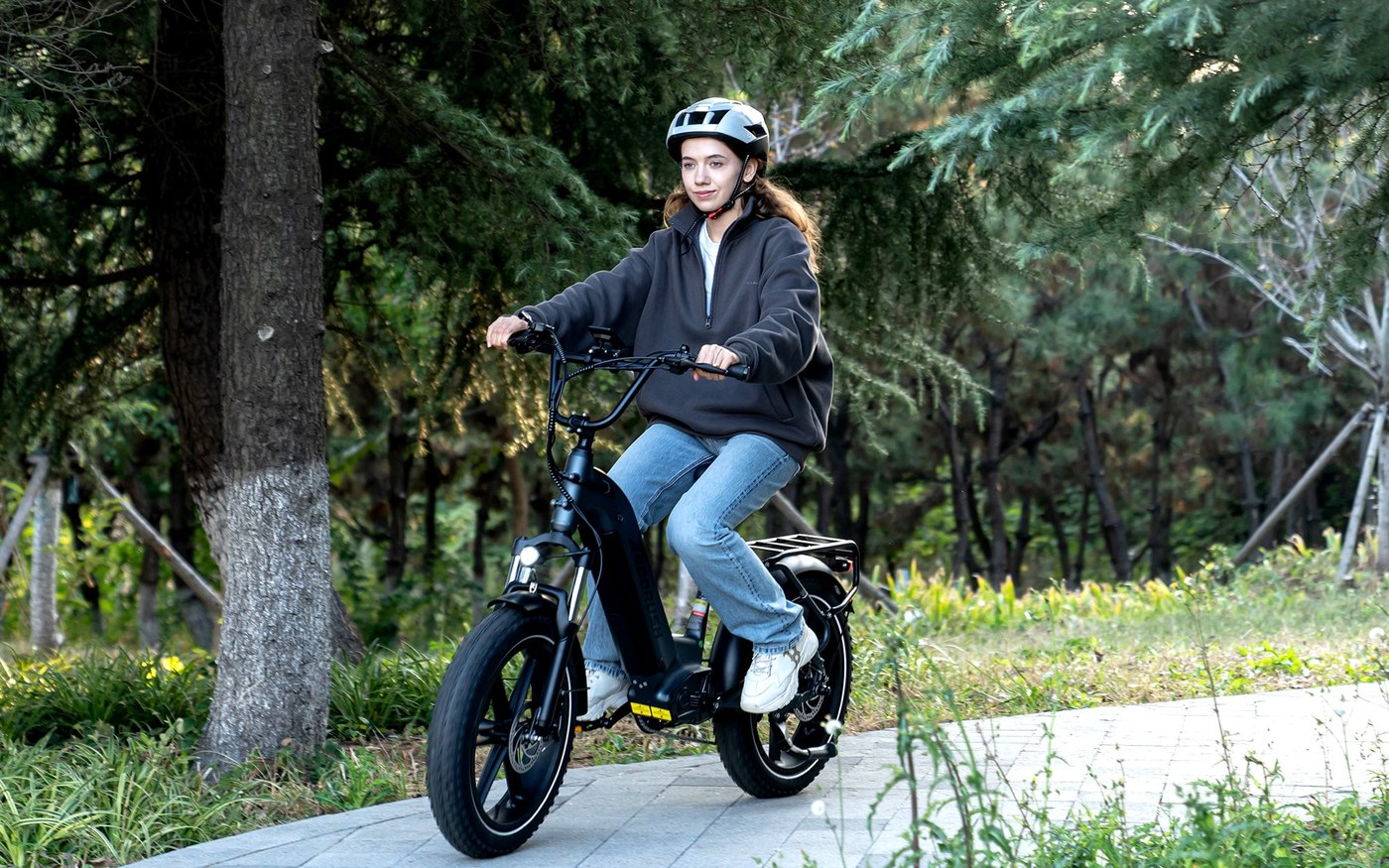
The initial worry was predictable — arriving at work hot and flustered. The first ride changed that within ten minutes. Pedal assistance flattened the climb out of the district and kept effort steady at traffic lights. What mattered was not the motor’s specification but its smoothness. A jerky system would have made the same journey feel worse.
Dealer lesson: let new customers ride a real route with stops and starts. A test ride around a flat car park does not answer the question they actually have.
Week two: the storage problem
The bike came home, and the question became where it would live. A hallway bike was out of the question in a shared entrance. Folding the bike once at the shop, then again at home, resolved it. The removable battery meant it could charge indoors while the frame stayed in a locked storage area.
Dealer lesson: ask about the customer’s home before discussing range. Storage decides whether the bike gets used at all.
Month one: noticing the city
The commute became the most predictable part of the day. Without a windscreen between her and the street, she began noticing shops, seasonal changes and the route’s small details. This sounds sentimental, but it is a real retention factor: riders who enjoy the journey keep riding through winter.
Dealer lesson: frame the product as access to a better daily routine, not as a machine with a battery. Follow up after two weeks — that is when habits either form or fail.
Month three: the numbers add up
Fuel and parking costs disappeared. Clothing for the office stayed the same because assistance prevented sweating. Fitness improved without a separate gym session. None of these was the original reason for buying the bike; all of them became reasons to keep it.
What nearly stopped it
Two things: a first week of cold rain, and a charge that ran low on a longer evening ride. Both were solved by preparation — proper lights and a habit of charging twice a week. Neither required a different bike, but both required advice the dealer could have given at handover.
A new rider does not need more power. They need confidence in the first month and honest answers about weather, storage and charging.
Turn this into your sales process
Build a handover checklist covering storage, charging rhythm, lights and assist levels. Then call or message the customer after two weeks. Dealers who do this consistently see fewer returns and more referrals.
Sourcing bikes for real commuter stories
ECORUSH commuter and folding models are built around these everyday requirements. Contact the B2B team to discuss your local market.
Month two: the winter question
The real test came in the second month, when the daylight shortened and the first wet mornings arrived. The bike stayed in use because three decisions made earlier paid off: fenders were fitted before delivery, the lights were checked at every service, and the battery had a fixed charging day. None of these felt important in the showroom. All of them mattered in November.
She also learned to change route. A quieter street with a protected lane added four min